El Salvador Fellowship
Oct 12–17, 2026 · San SalvadorA six-day fellowship for founders building public goods that have to survive the pilot.
Applications now close September 18, 2026 (extended from September 14)
A six-day fellowship for founders building public goods that have to survive the pilot.
Applications now close September 18, 2026 (extended from September 14)
Six days · four founders · October 12–17, 2026
For founders whose work already exists in the world.
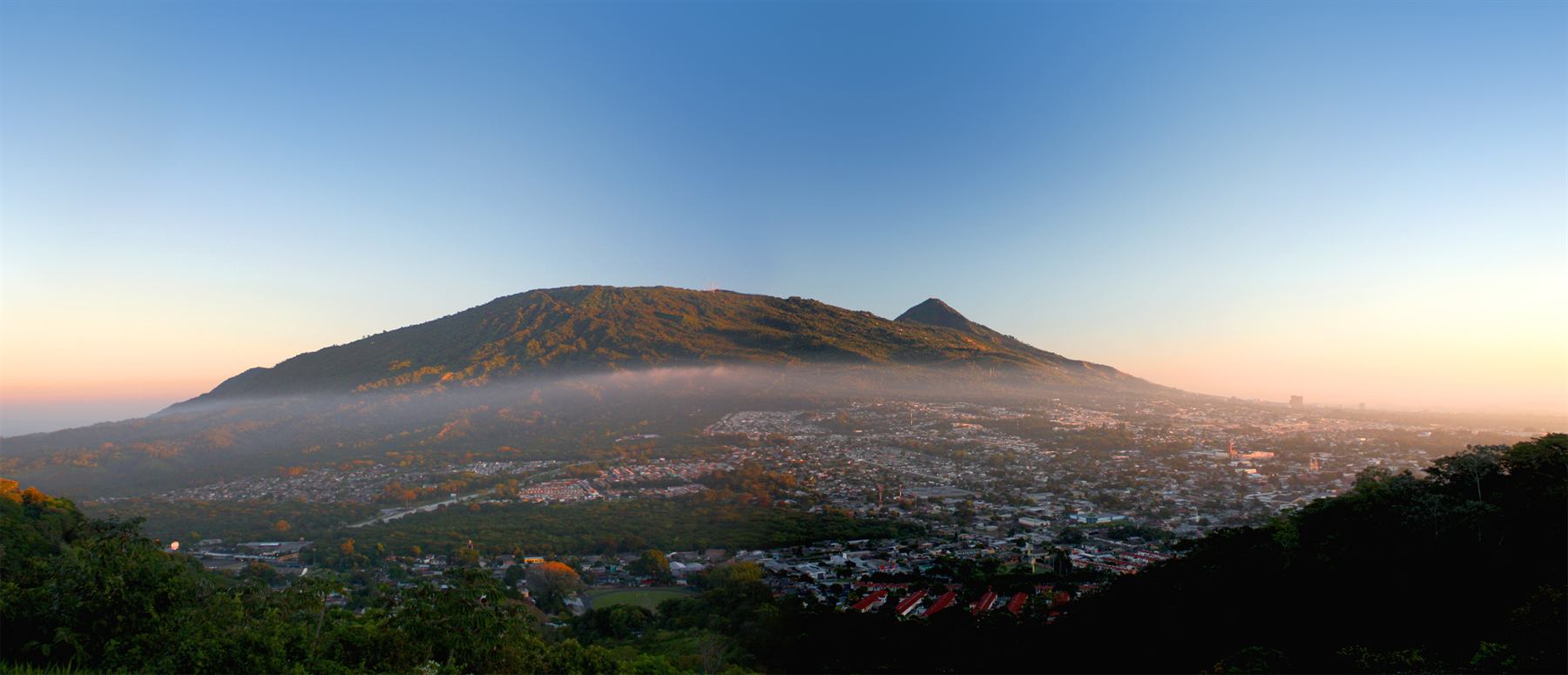 San Salvador volcano · Wikimedia Commons
The setting
El Salvador built a purpose-made digital asset regime with its own licensing framework, passed a National AI Law, and watched San Salvador climb more than four hundred places in StartupBlink’s 2025 index.
It’s also a country where most people were unbanked until recently, which makes it a good place to find out whether your work survives contact with the real world.
Doors into development finance and public institutions that take years to open on your own.
A room that will take your model apart before a funder or a ministry does.
We take no equity for the week. Meals and program travel are covered.
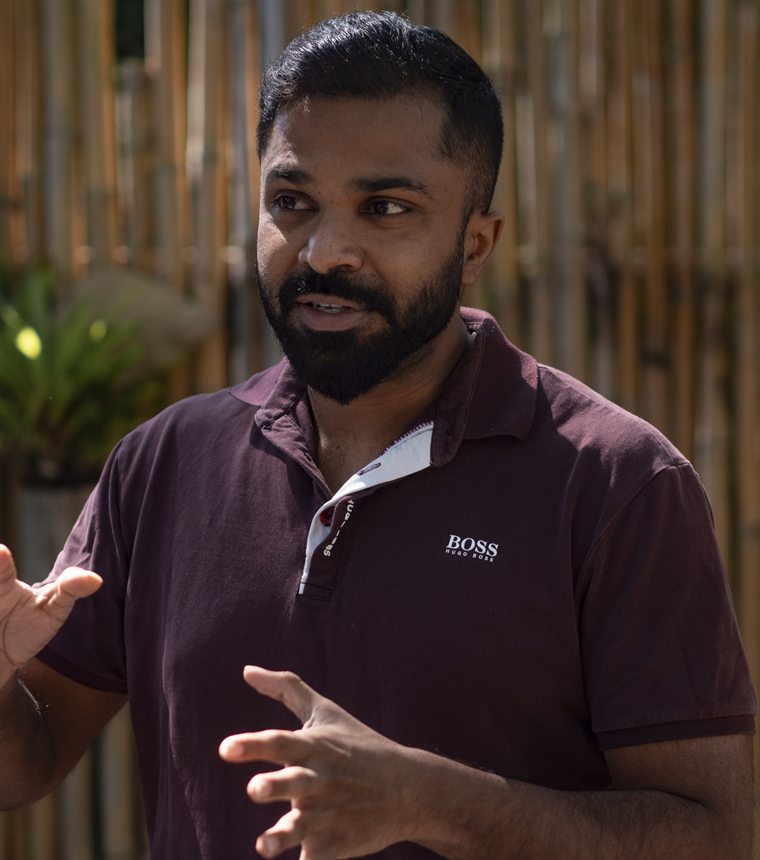
“Funding the Commons is the best Public Goods Community in crypto and their Public Goods residency is easily one of the top residencies in our space. I was able to exponentially accelerate my product, meet incredible talent and make lifelong friends good as family.”
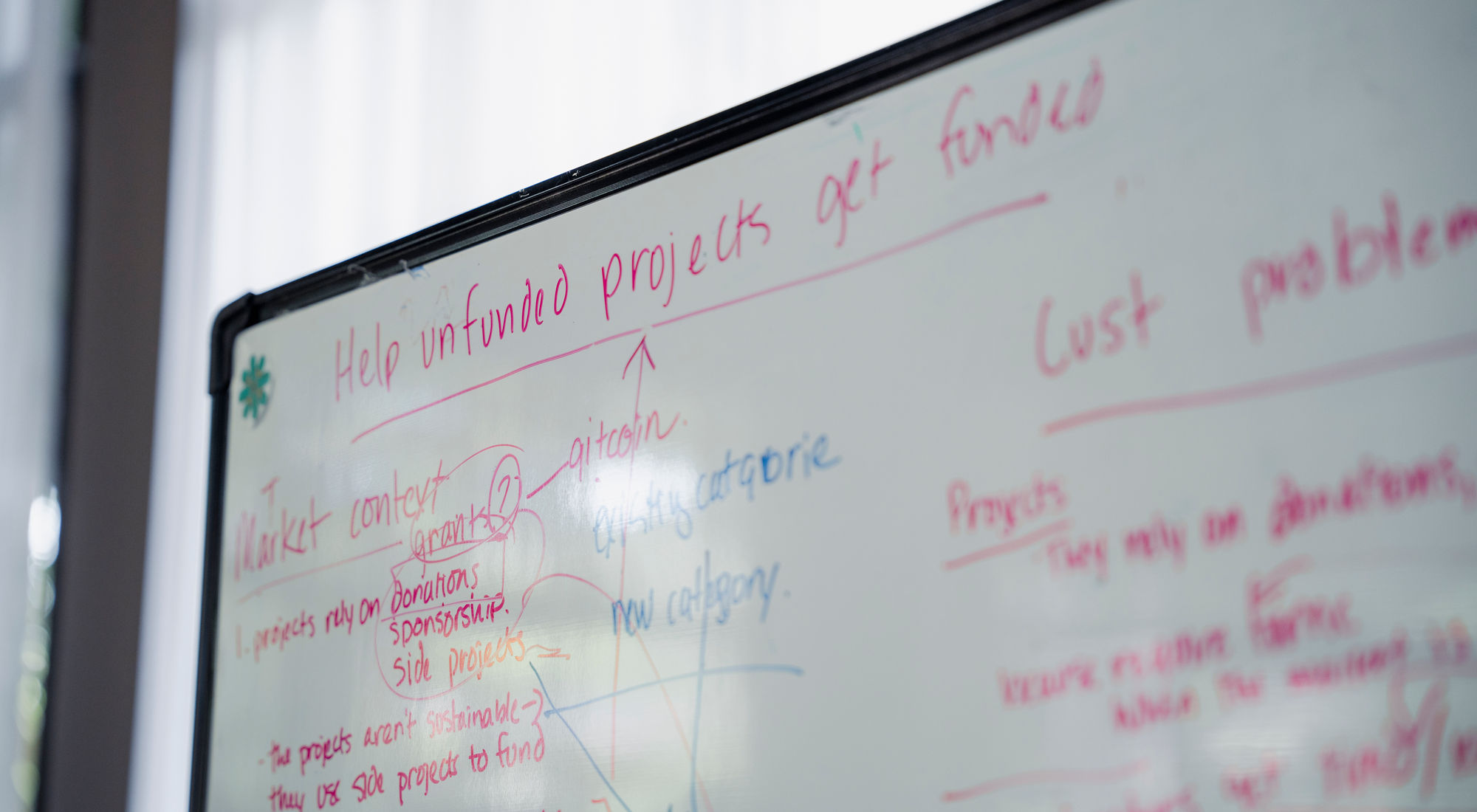
Theme · infrastructure that outlives its first funding
Our first El Salvador Fellowship takes the theme of Beyond the Pilot: what happens to good infrastructure once the demo works and the grant runs out.
Six years after the world committed to open digital infrastructure for public benefit, the Digital Public Goods Alliance registry still lists no certified AI systems. Plenty was built. Very little survived the pilot.
At the same time, money is moving quickly into technology for institutions, and it rewards companies that keep their data closed. A founder who wants their work to stay open is asked to accept less for it. We put that tension on the table early, rather than letting founders find it the hard way.
This week is for founders who already have users, and who now face the unglamorous questions. Who pays for this. Which institution adopts it. What stays open. And what mechanism could fund it when the usual answers don’t apply.
Five areas, drawn from the work this community has been doing for years.

New ways to move and allocate shared resources: grants, treasuries, quadratic flows, and programmable funding.

Payments, savings, remittances, credit, and stablecoin tools designed for everyday use where traditional rails fall short.

Tools for collective action, civic participation, shared ownership, and bottom-up governance.
Verification, credentials, and portable reputation systems that prioritize privacy and autonomy.

Auditable, open AI models built to support coordination, decision making, and public infrastructure.
No shares, no options, no future claim on your company. Meals during the week and travel to every program activity are covered.
These six days are how Funding the Commons gets to know how you work. Some founders go on to join our portfolio, with capital and ongoing support. If that happens, it’s a separate conversation.
Six days built around the questions that arrive after the product works.
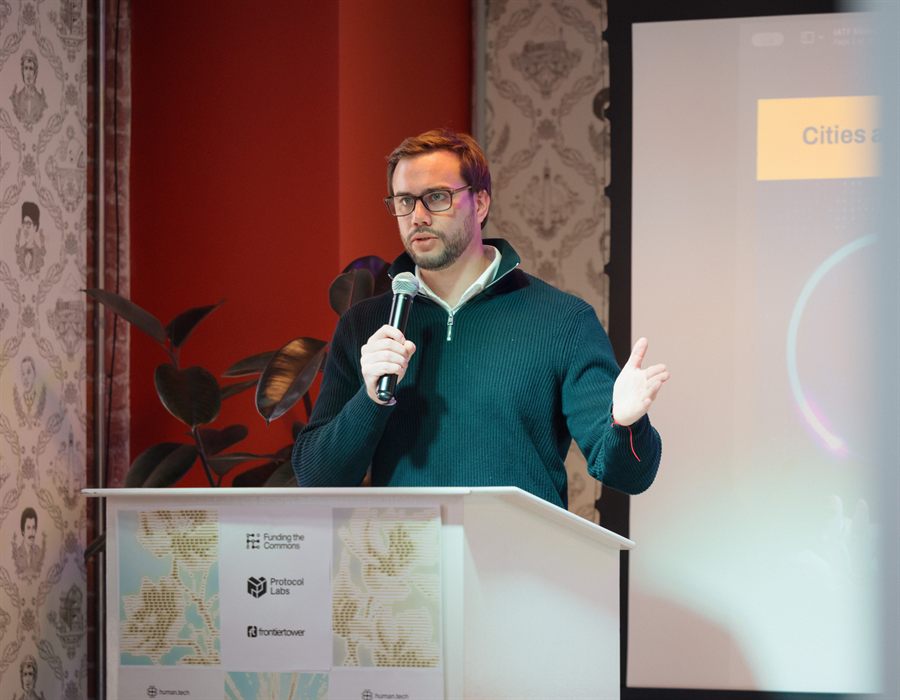
A full day with the Ministry of Economy at Centro de Gobierno, scoping pilots in financial access and public services with the people who can authorize one.
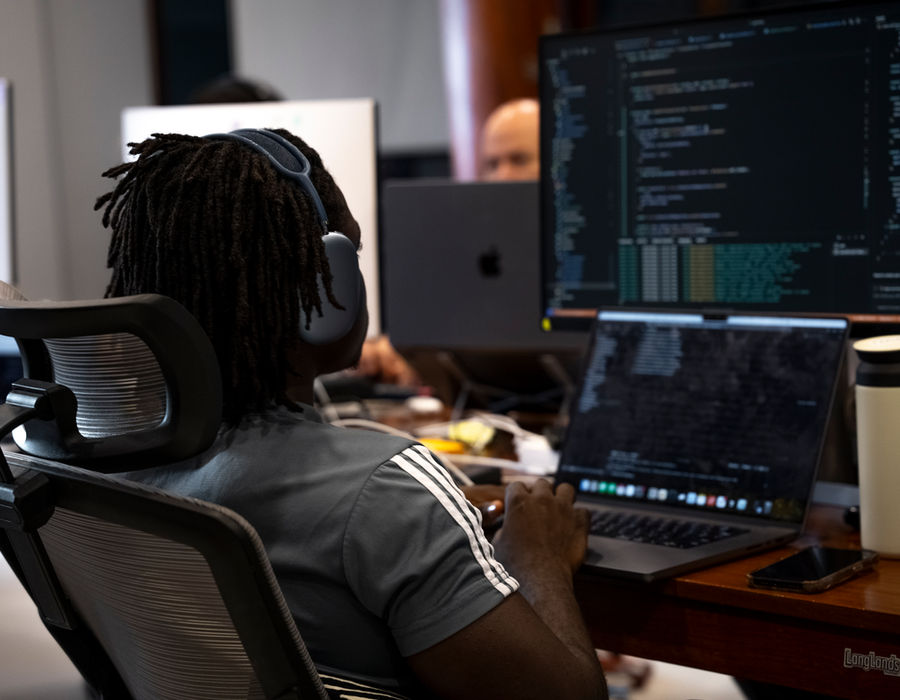
Venture, grants, retroactive funding, development finance, and what DPGA certification opens up.
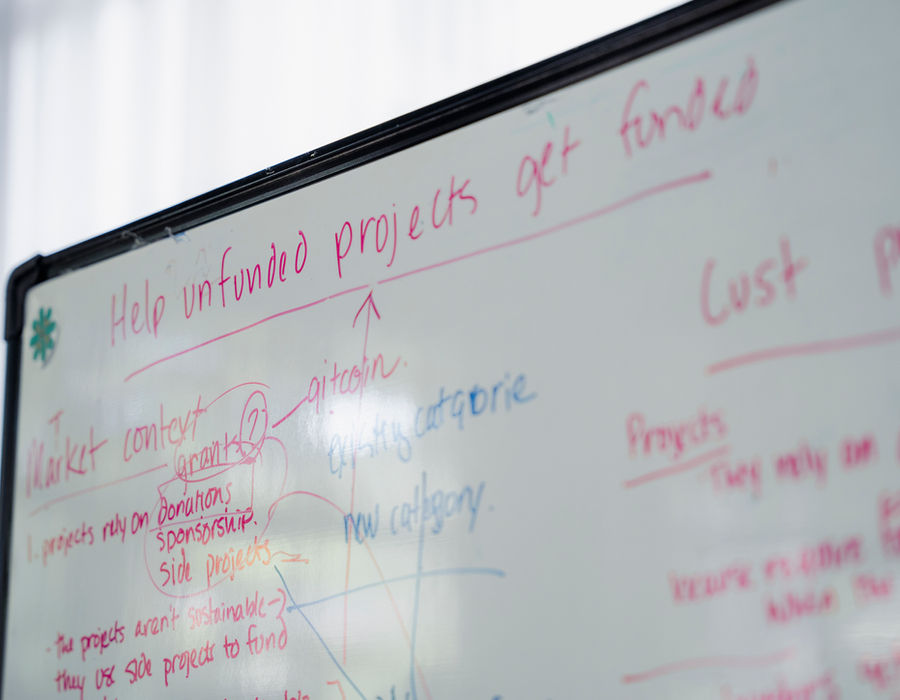
Quadratic funding, retroactive funding, hypercerts, conviction voting. Then you design one for your own product.
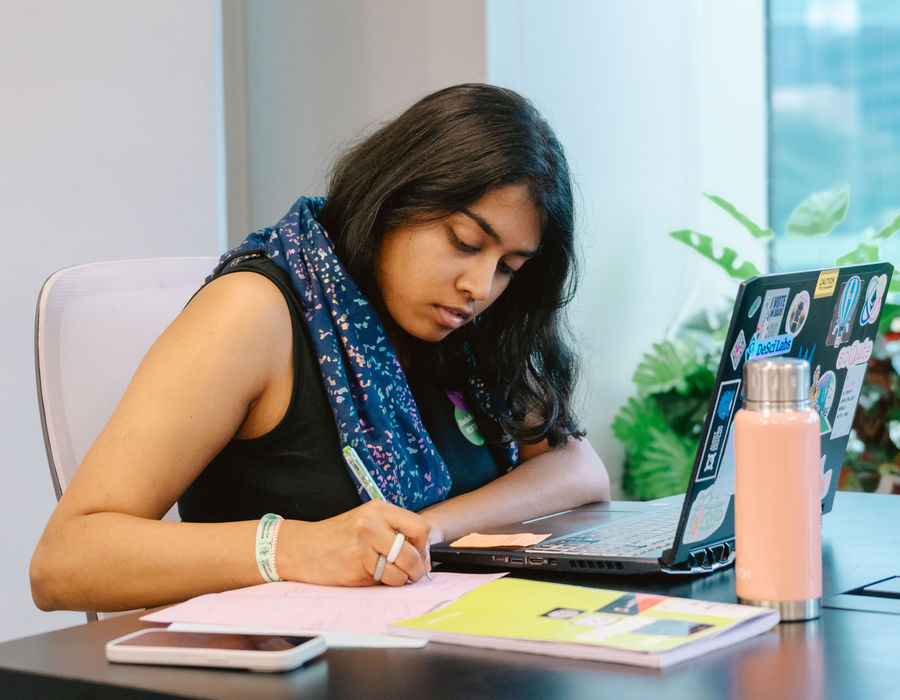
A grant pot, allocated by the cohort on the final day using a mechanism they choose together. Binding, and paid.
A community where financial technology reached people the banks had skipped. We go to ask what broke.
Your model in front of a room whose job that afternoon is to find what doesn’t hold.
Founders arrive over the weekend of October 10 and 11, and leave on Sunday October 18.
An honest audit, and the one thing in your way
A positioning statement, and where you land on openness
A revenue model, and a mechanism you designed
A capital plan with real funders, in order
A regulatory position and a pilot worth proposing
A real allocation, and commitments for ninety days
By Saturday you leave with a scoped pilot proposal with a named institution, a revenue model tested against real numbers, a capital plan naming actual funders in sequence, and introductions that continue after the week ends.
We’ll select four founders through an open call. Selection is run by Funding the Commons directly. You should have a company that is incorporated, founders working on it full time, and a product with real users, however few. Pre-Series A, and a concrete reason El Salvador matters to what you’re building.
If you have an idea and nothing built yet, this isn’t the right week for you. Come back when it runs again.
What the week gives you
Four founders and one room. Deliberately small, so everyone gets real time with everyone else, more than once.
With the Funding the Commons team and visiting guests. Talk through what’s stuck, or pressure-test a hard trade-off.
Every founder is connected with two or three people from the Funding the Commons network working on their exact problem.
Meals through the week, and transport to everything on the program, field visit and ministry sessions included.
Write something short and public about what you learned, and come back to mentor the next cohort. That’s it.
The value of this week comes from who else is there. We’re building the room with institutions across government, capital and the local ecosystem.
If your organization works on financial access, public infrastructure, or entrepreneurship in Central America, there’s very likely a way to take part. We’re looking for mentors, session hosts, pilot counterparts, and funders for the cohorts that follow.
Ministries and the national innovation office, in the room for a full day of pilot scoping.
Local investors and a development finance institution, explaining how each of them really decides.
Accelerators, innovation spaces and academic institutions working with founders across the country.
Partners are named here as each one confirms.
Supported by

We cover meals during the week and transport to every program activity, including the field visit and the ministry sessions. Accommodation and your daily travel to and from the venue are your own. There’s no fee to take part.
Yes. No shares, no options, no side letter, no future claim. If a conversation about joining the Funding the Commons portfolio happens later, it happens separately and on its own terms.
A sum set aside before the week begins. On the final day the four founders allocate it among themselves using a mechanism they choose together on Wednesday. The result is binding, and it gets paid. You learn more from being inside a mechanism than from any session about one.
This first cohort is for founders building in El Salvador. If you’re based elsewhere in the region and your work belongs here, write to us anyway and tell us why.
Almost certainly. Ten real users who keep coming back tell us more than a big number nobody can explain.
We’d rather have you. Most of the week comes down to decisions about your company, so the person who makes them should be there. Bring a cofounder along too if it helps.
Tell us in the application. Each day builds on the one before, so coming for part of the week is hard to make work. We’d rather know early.
It stays between us, and we use it only to select the cohort. You’ll hear back either way.
Apply
Applications take twenty to thirty minutes. We prefer short and honest over polished and vague, and we read every one.
Applications now close September 18, 2026 (extended from September 14) · Ask a question
The El Salvador Fellowship is a Funding the Commons program, made possible by GSR Foundation.