We stand between institutions and the frontier: the partners to build with, the pilots to test, the proof to act on.

Since 2021, we have been bringing together builders, funders, researchers, and policymakers to move new models for funding and coordination from argument into practice.
The next few years will decide where the power AI creates ends up, and whether the public keeps its footing while it does. Where it lands depends less on the technology than on the rules around it. Those rules are our work, the mechanisms that set who the gains reach and who has a hand in what comes next.
Speakers, curators, and partners in our network include:
Audrey Tang (Taiwan's Cyber Ambassador and former Digital Minister) Sheila Warren (Advanced AI Society) Dawn Song (UC Berkeley) Jaan Tallinn (Future of Life Institute) Masaaki Taira (fmr. Minister for Digital Transformation, Japan) Yuriko Koike (Governor of Tokyo) Tom Kalil (Renaissance Philanthropy) Glen Weyl (Microsoft Research) Divya Siddarth (Collective Intelligence Project) Brian Behlendorf (Linux Foundation) Anna Tumadóttir (Creative Commons) Mehan Jayasuriya (Mozilla) Wendy Hanamura (Internet Archive) Tshilidzi Marwala (United Nations University) Augusto Ardiles Diaz (Gobierno de la Ciudad de Buenos Aires) Samuel Klein (Public AI Network) David Dao (GainForest) Roger Dingledine (The Tor Project)
Explore our network
$790,000+
7,000+
25,000+
$16.7M
700+
110
88
Funding, Governance & coordination for the age of AI





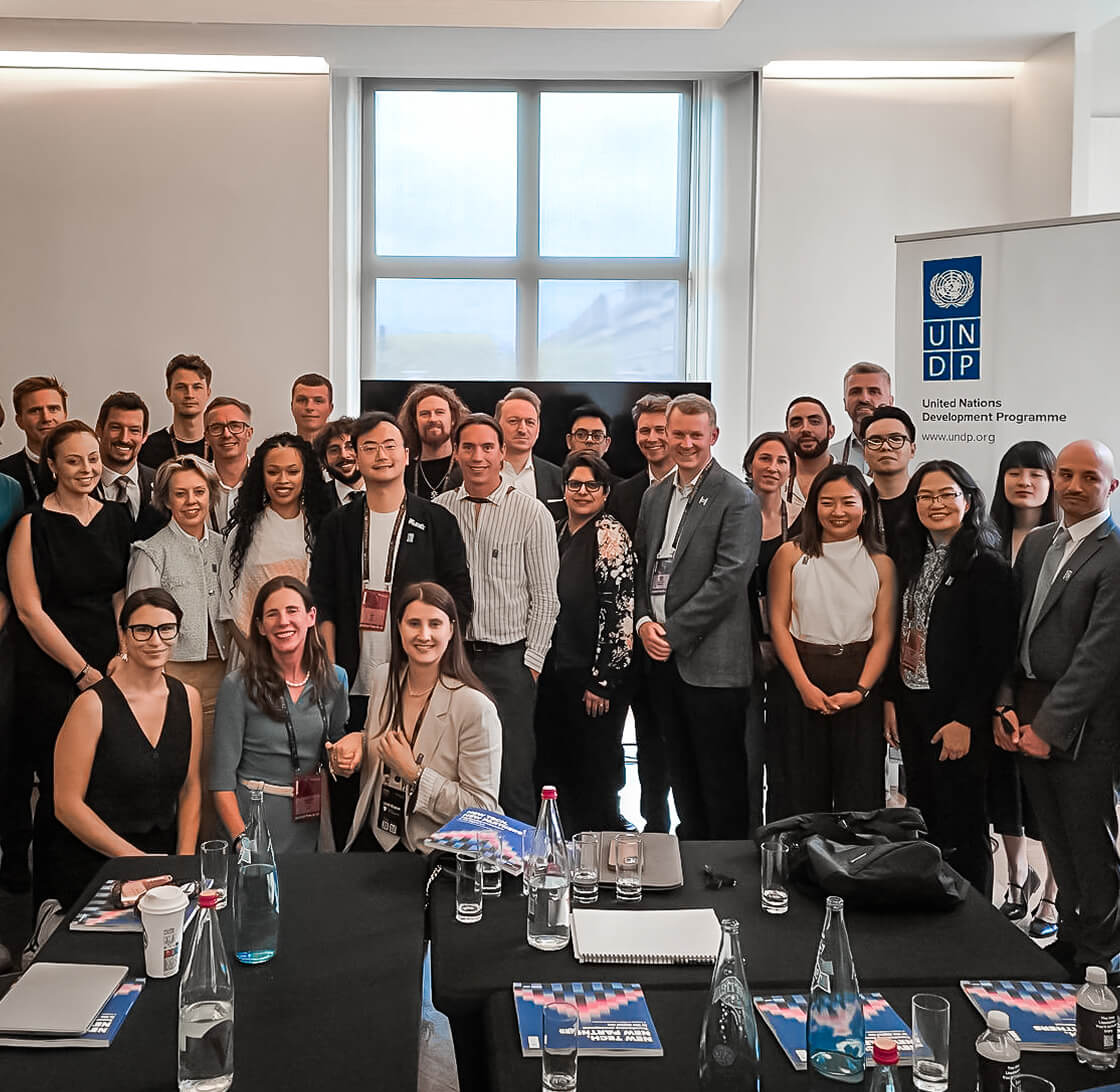 We were invited to join UNDP's Blockchain Advisory Group to explore blockchain for public good.
Taiwan's Cyber Ambassador and former Digital Minister
“What I really like about the Funding the Commons community is that people openly talk about failures, talking about issues that are instrumental, things that really didn't work, right. And so, this particular venue, Funding the Commons, brings together not just the visionaries but also the actual engineers that can make such visions even more feasible for the future generations.”
Watch interview
UNICEF Office of Innovation
“I'm super excited about UNICEF's relationship with Funding the Commons, and we see eye to eye when it comes to values and the things that we believe in. We see eye to eye thinking about technology in a positive way, that technology actually can do something for good.”
Watch interview
Six days, four founders, on what happens to good infrastructure once the demo works and the grant runs out.
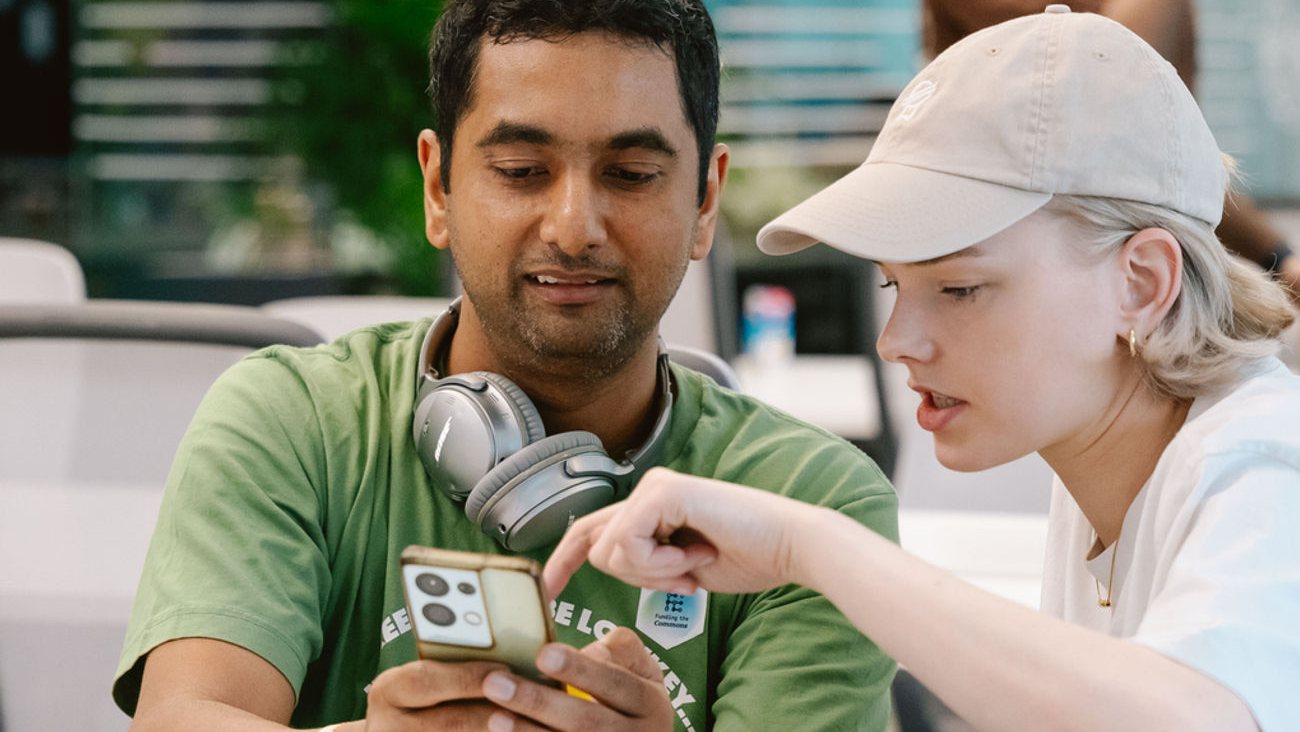
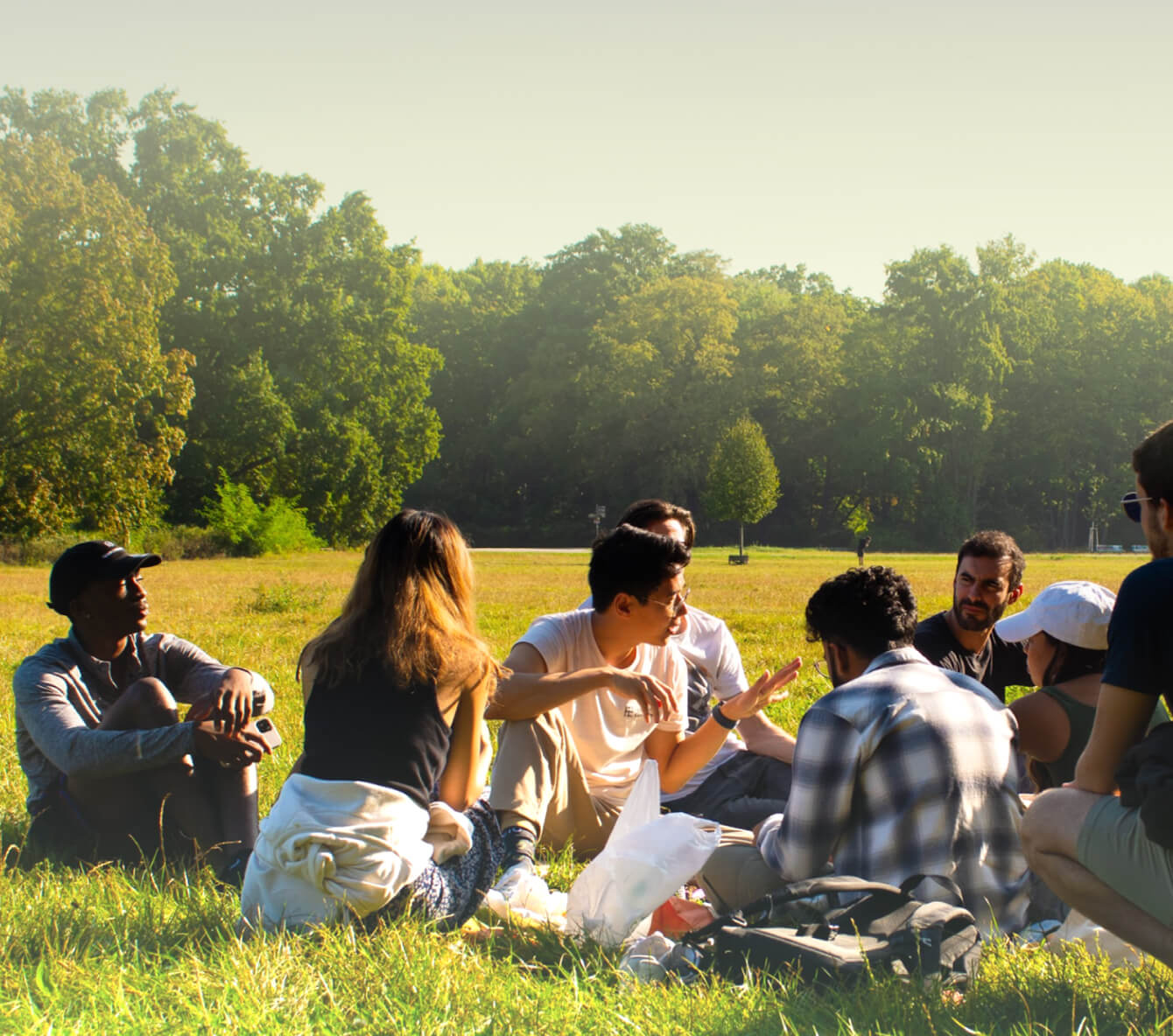
A curated weekend of 200 builders, researchers, funders, and policymakers on the institutions of the AI age, and on keeping capital and power in the hands of many.
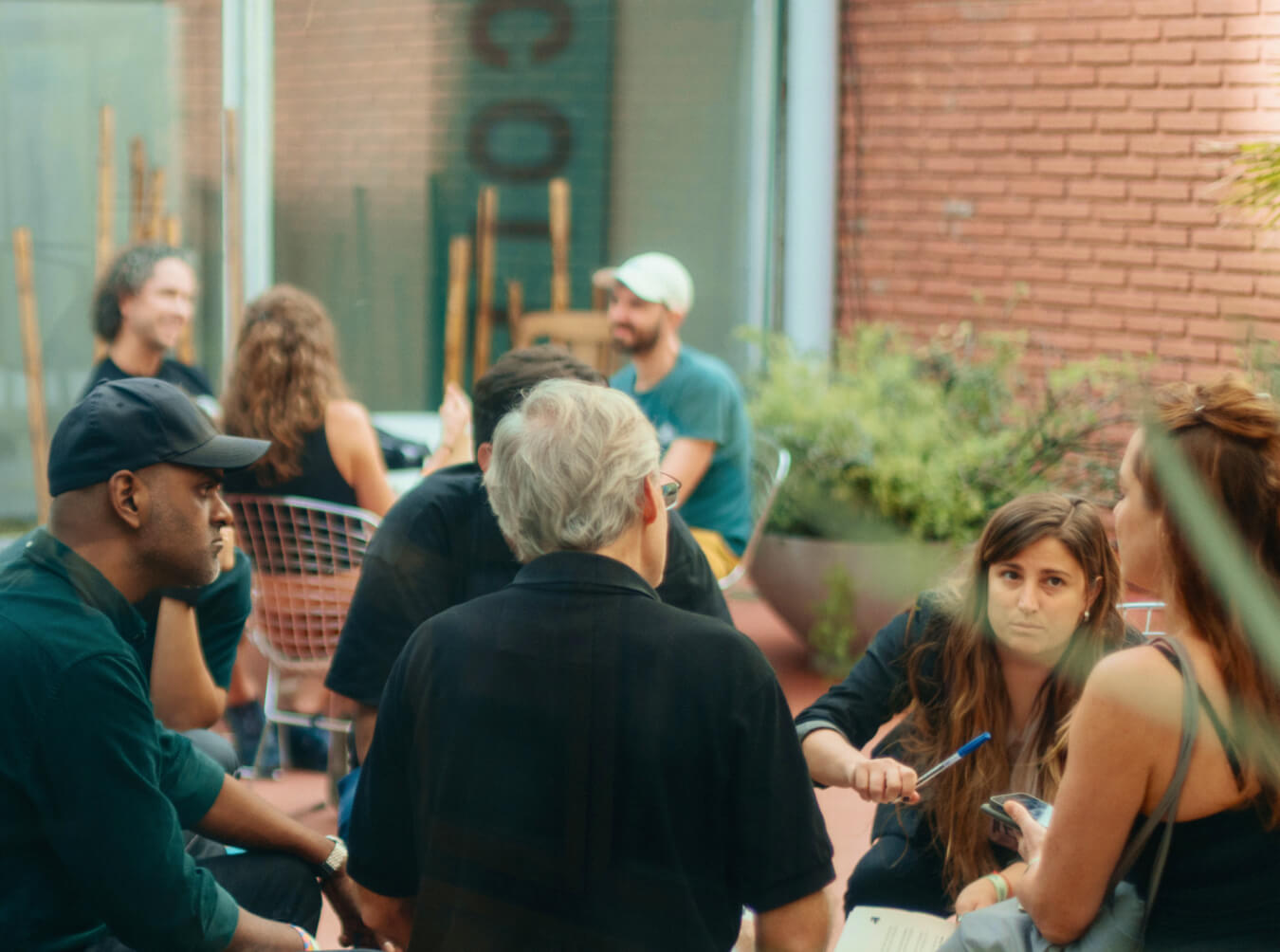
The work of funding and governing shared infrastructure has no established home. The people advancing it are spread across governments, foundations, research labs, and open-source communities, and they seldom meet.
Our gatherings give the field a place to come together.
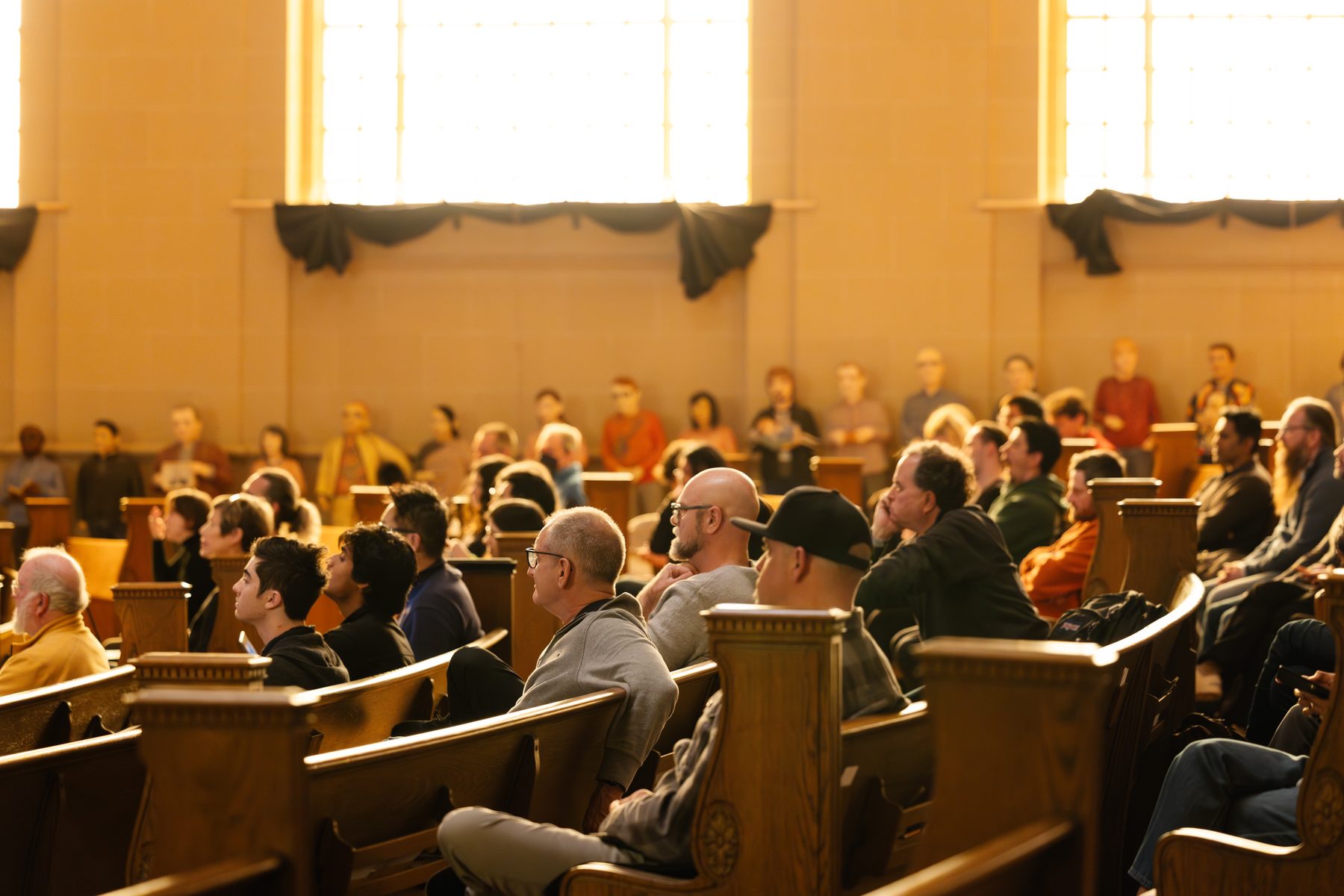
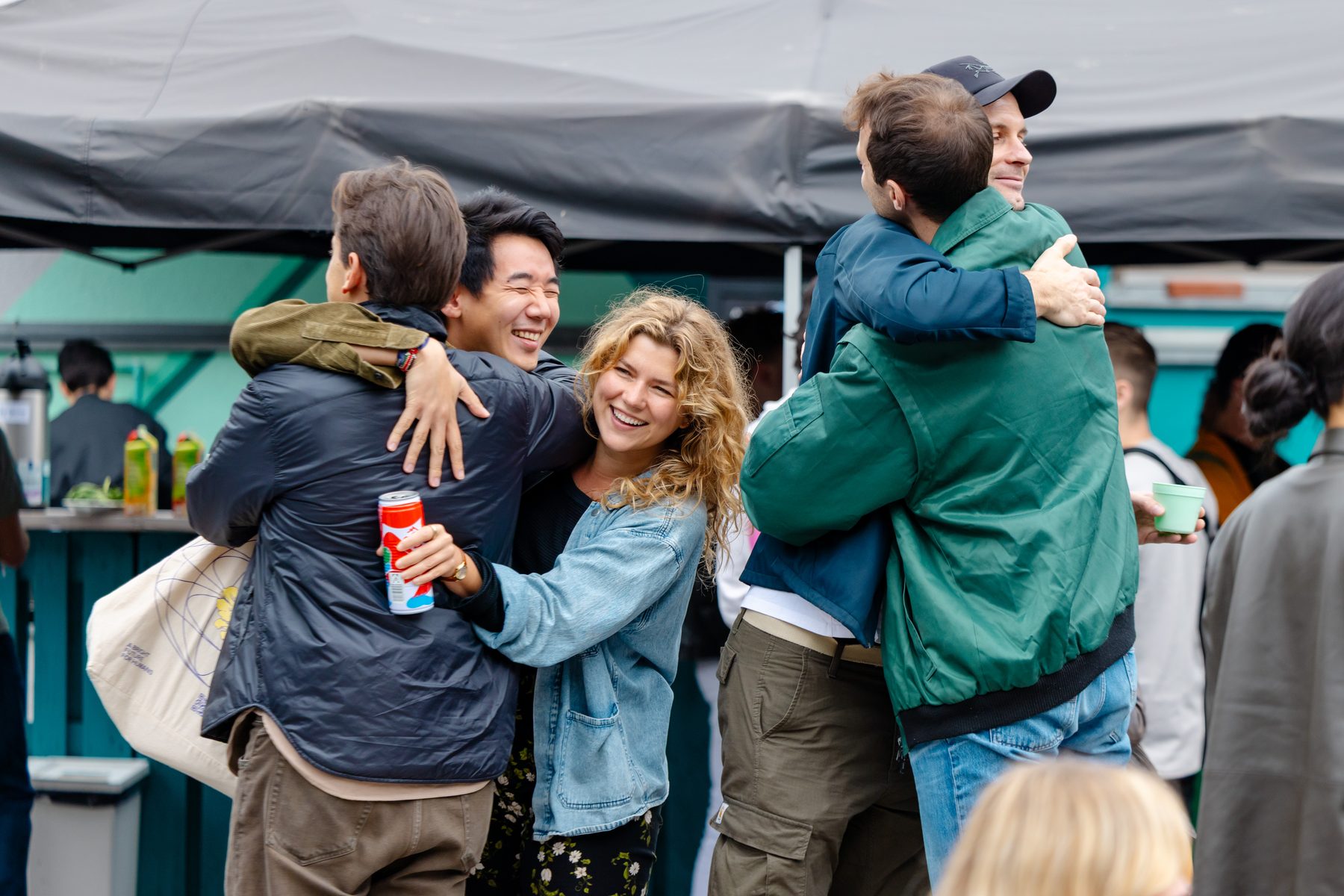
Since 2021, that has meant sixteen conferences on four continents, five hackathons, three builder residencies, and many curated dinners, each format carrying the work a step further: ideas take the stage, become prototypes, grow into projects, and find their backers.
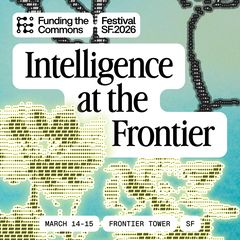
A 36-hour festival, conference, and hackathon across 16 floors of Frontier Tower, co-designing the coordination infrastructure for human flourishing.






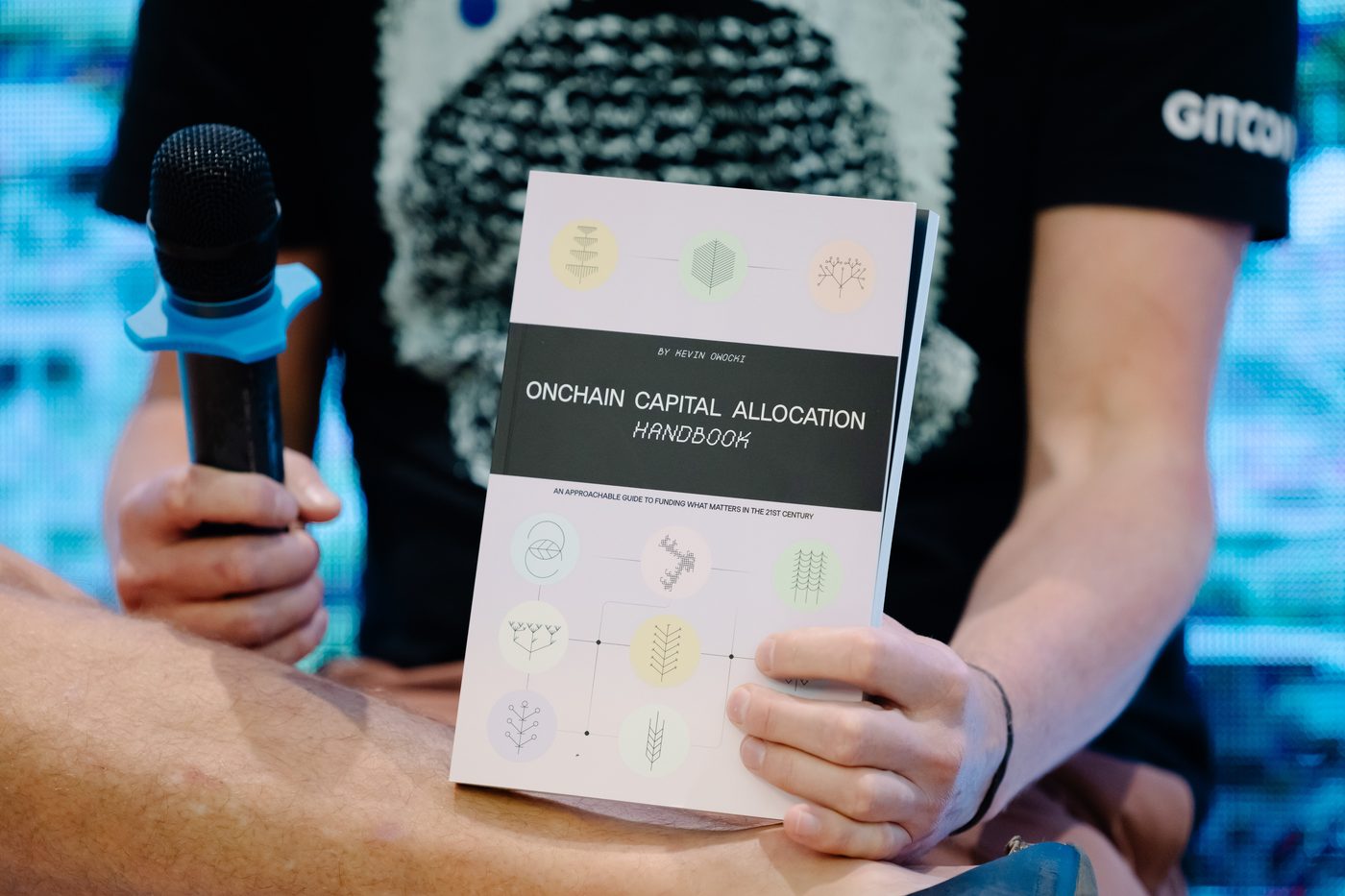
Philanthropic money usually moves from the top down.
A small group picks the projects, the decision takes months, and the people living with the problem never see how the call was made. Our community experiments allow a funder to put up a fund, and the communities benefiting from it are involved in deciding where it goes. There are many mechanisms available that allow fast, transparent, democratic allocation that can reinvent how philanthropic dollars move.
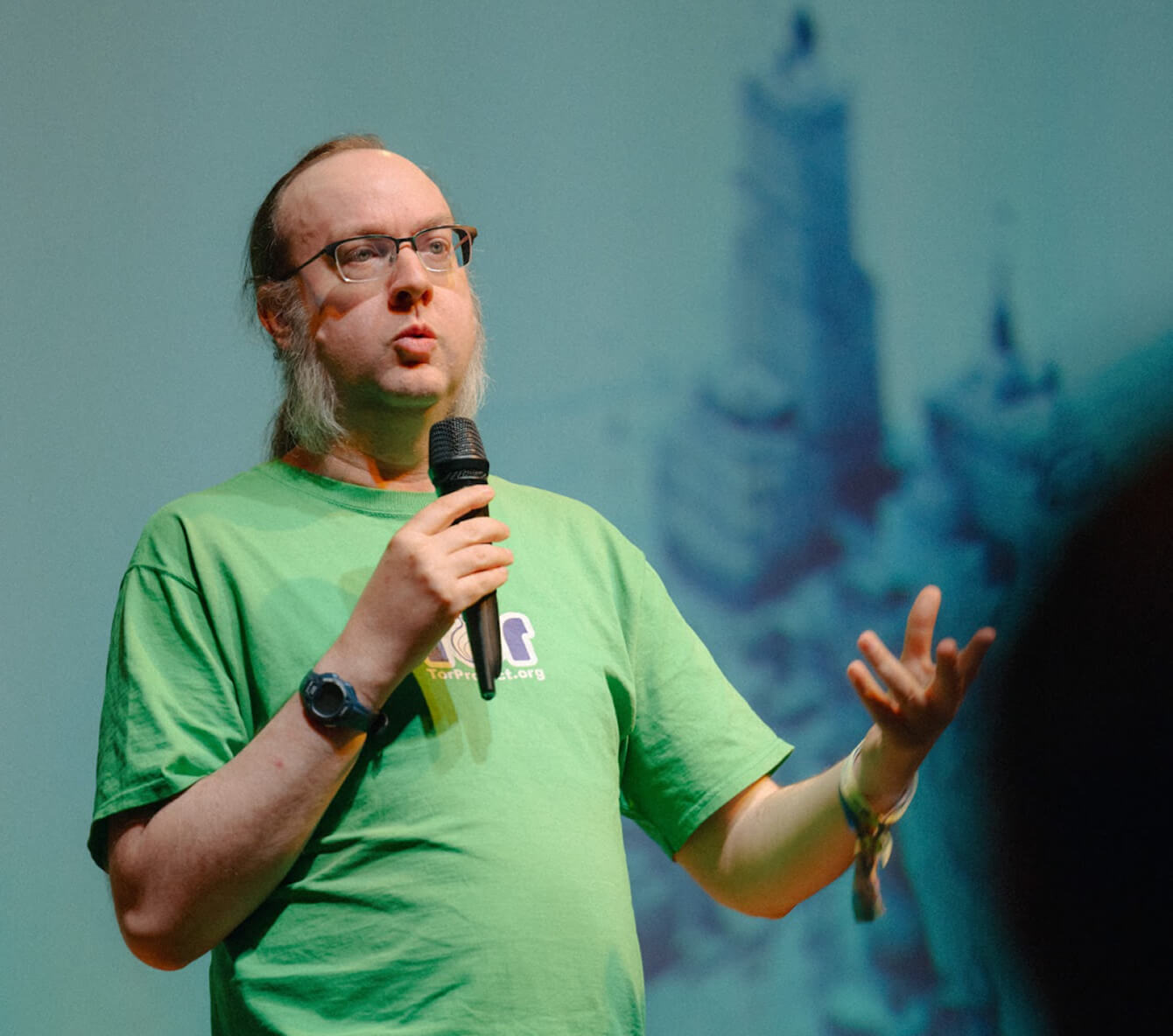
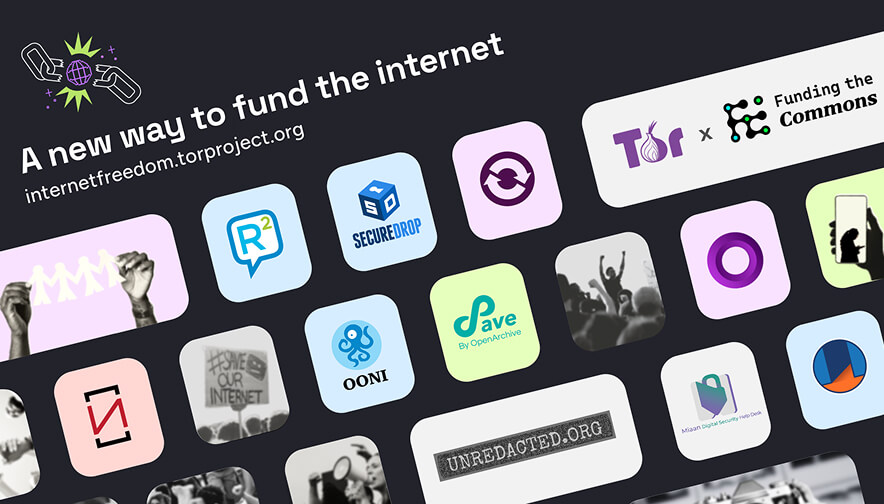
The Tor Project
Al Smith
Tor Project
“…Funding the Commons was offering a completely new vision of what it looks like to fund something that's open and free.”
Watch interview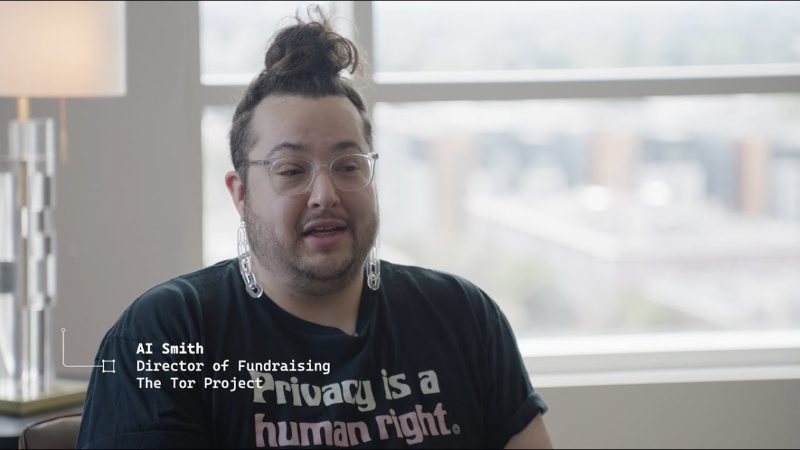













First cohort
We are launching an incubator for the builders upgrading the institutions that will run what comes next: sovereign in what they hold, coordinated where they meet, resilient enough to keep working when the systems fragment.
commonslab.aiJoin the next builder cohort and see your project accelerate. We publish cohort dates regularly. If you work on an aligned project, get in touch through commonslab.ai.
The Lab takes companies past the demo and into deployment with an institution. If you want your capital in pilots rather than another grant round, this is where that happens.
We are always in conversation with governments, multilaterals, and institutions. You bring the problem and the surface area, and we bring the builders.
For all three, we bring the expertise, the network, and capacity-building programs that train the teams on both sides of a pilot.
Countries, ministries, businesses, and nonprofits are all building their own domes: systems they hold themselves. This is the technology they need inside.
Sovereign treasury OS
ZK compliance
Capture-resistant settlement
Sovereign compute
Data vaults
Last-mile distribution
Sovereigns still have to trade, verify, and integrate. Someone has to build the neutral ground where they meet. This is that technology.
Agent payment middleware
Proof of personhood and agency
Dispute resolution
Community treasuries
Model provenance
Cross-border marketplaces
Seven tests. Every investment passes all of them, or we pass.
No freeze switch someone else holds.
Anyone can rebuild it tomorrow.
Compliance without watching everyone.
You leave whole: the fork test.
Built to be inspected, contested, and repaired.
No single chain, vendor, or country.
The future we want, in time to matter.
Be the first to hear about what's happening in the network of frontier tech, AI, and commons.